
Blog
Artificial Intelligence: the essentials to start now
Artificial Intelligence (AI) has moved from being a distant concept to becoming a practical and accessible tool, including in the industrial sector. Even so, many companies still do not know where to start or believe that this technology is restr

Artificial Intelligence (AI) has moved from being a distant concept to becoming a practical and accessible tool, including in the industrial sector. Even so, many companies still do not know where to start or believe that this technology is restricted to large corporations with robust IT teams.
If you still see artificial intelligence as something abstract, this article is for you.
What is Artificial Intelligence in practice?
Artificial Intelligence (AI) is a set of techniques that allows machines to learn patterns and make decisions based on data. In the industrial context, AI can optimize processes, reduce failures, anticipate maintenance, and improve overall efficiency , all in an adaptive and scalable way.
It is common to think of AI as something futuristic or applied only by tech giants, but the reality is different.
AI is already present, for example, in:
- Predictive maintenance : sensors monitor equipment in real time and AI models identify signs of future failures.
- Automatic quality control : smart cameras detect defects in parts with high precision.
- Production optimization : algorithms adjust parameters in production lines to maximize yield and reduce waste.
Demystifying AI in industry
- It is not a total replacement of people: AI complements human work, it does what is repetitive or risky, while employees shift their focus to higher-value decisions.
- It does not need to be complex or expensive: Today there are cloud solutions by subscription, ready to integrate with existing systems.
- It does not require internal data scientists: Partnerships with suppliers, research centers, or consultancies allow the validation of pilots without hiring a dedicated team.
- Data does not need to be 100% clean: AI tolerates a certain inconsistency in data; the most important thing is to start with a concrete and well-defined scope.
But after all, where to start?
Many people get stuck imagining that it is necessary to have all the data ready, a team of data scientists, and a very high investment. None of that is mandatory.
See the essential fundamentals to take the first steps with AI in your company:
Data and sensors: Everything starts with data and often you already have it. Connected machines, spreadsheets, production indicators… everything can feed an AI.
A real challenge: Avoid starting with the most complex. Choose a specific problem: for example, predicting equipment failures, or reducing rework due to visual defects.
A simple pilot project: Select a specific production line or sector. Apply AI on a small scale, with clear objectives (e.g., reduce losses by 15%).
Objective measurement: Compare before and after the pilot. If it worked, it is time to scale. If not, adjust variables and try again, making mistakes is part of the process.
Strategic partnerships: There is no need to internalize everything. There are AI as a Service (AIaaS) solutions with affordable costs and teams ready to support your journey.
Practical steps to implement AI in your company
- Map your main industrial challenge: It could be maintenance costs, losses due to defects, delays, rework, etc.
- Select a low-risk use case: For example: detecting parts with dimensional flaws or predicting time to failure of a pump.
- Carry out a pilot project: Gather historical data, define quantifiable goals (e.g., reduce failures by 20%), apply the AI solution on a small scale.
- Measure and evaluate: Compare pilot results with the before: productivity, costs, rework, maintenance, etc.
- Scale gradually: Once validated, take the solution to other lines, plants, or similar processes.
- Train teams: Train employees to interpret outputs, monitor models, trigger maintenance, and adjust controls.
Making mistakes is part of it, but the secret lies in learning
AI is interactive: the first model won't always get it right. But each attempt generates valuable learning. Take lessons from the results:
- Poor models? Maybe more data or different sensors are needed.
- Mixed results? Adjust collection frequencies or refine parameters.
- Positive impact? Then scale and formalize the process.
AI is now, and it is within your reach
Demystifying AI in industry means looking beyond trends and understanding that it is already within your reach , Don't wait to “be ready” to start. The best way to understand AI is by applying it to a real challenge, with data you already have . By doing this, you prepare your company for a future that is already present.
How LUZA can support your journey with AI
LUZA Group operates at the intersection of technology, engineering, and innovation. With practical experience in digital transformation projects in the industrial sector, our specialists are prepared to help your company understand, test, and scale Artificial Intelligence solutions with a focus on what really matters: practical results, safety, and efficiency.
From identifying the challenge to implementing pilot projects, we offer technical and strategic support to ensure that your entry into the world of AI is secure, viable, and adapted to your reality.
Speak with our specialists
Are you ready to start or want to better understand how AI can apply to your business?
Continue exploring.
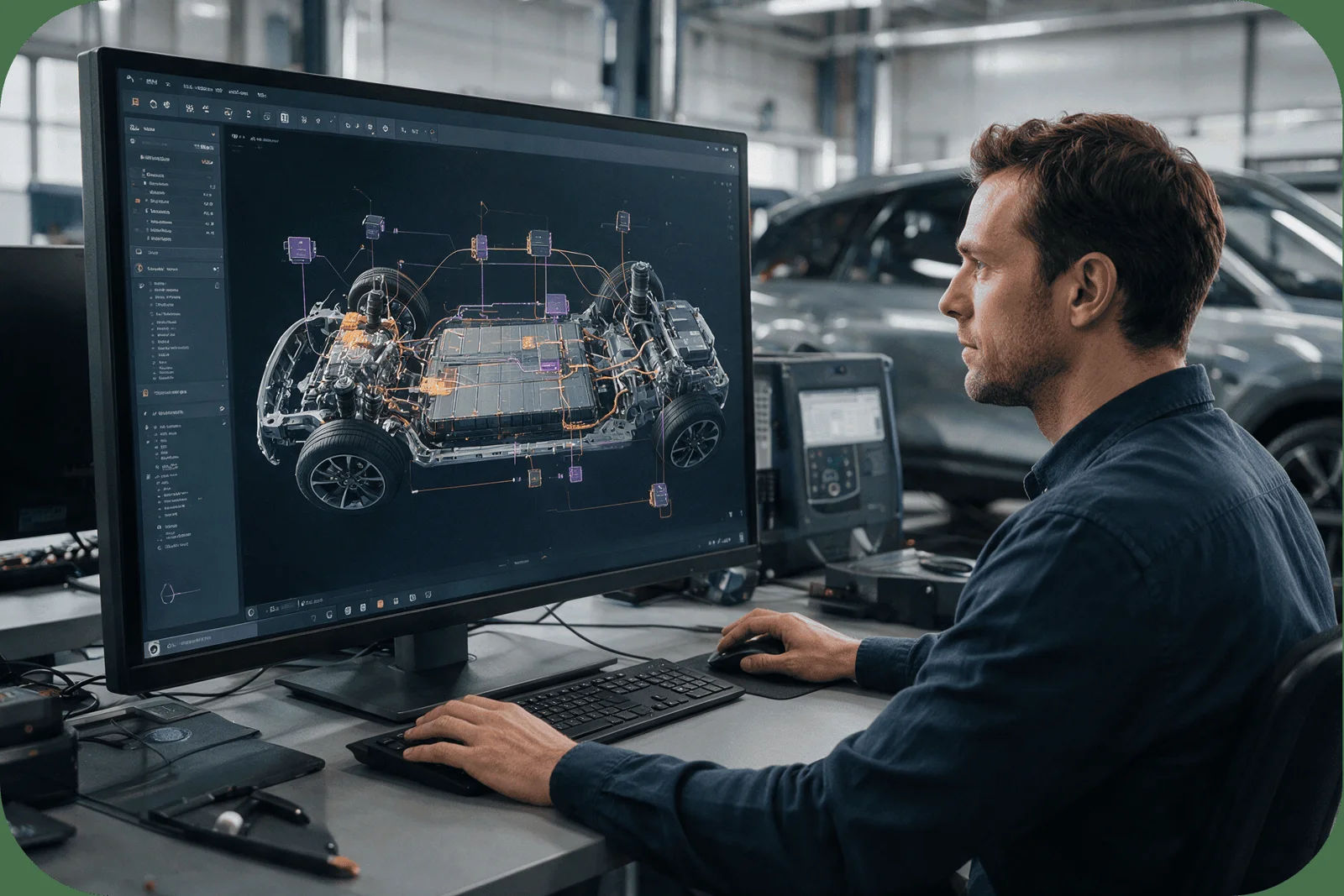
The new engineering of the software-defined vehicle
Automotive engineering is undergoing a change that goes beyond electrification. Increasingly connected and software-dependent vehicles are bringing together areas that, for a long time, worked more independently.
Read article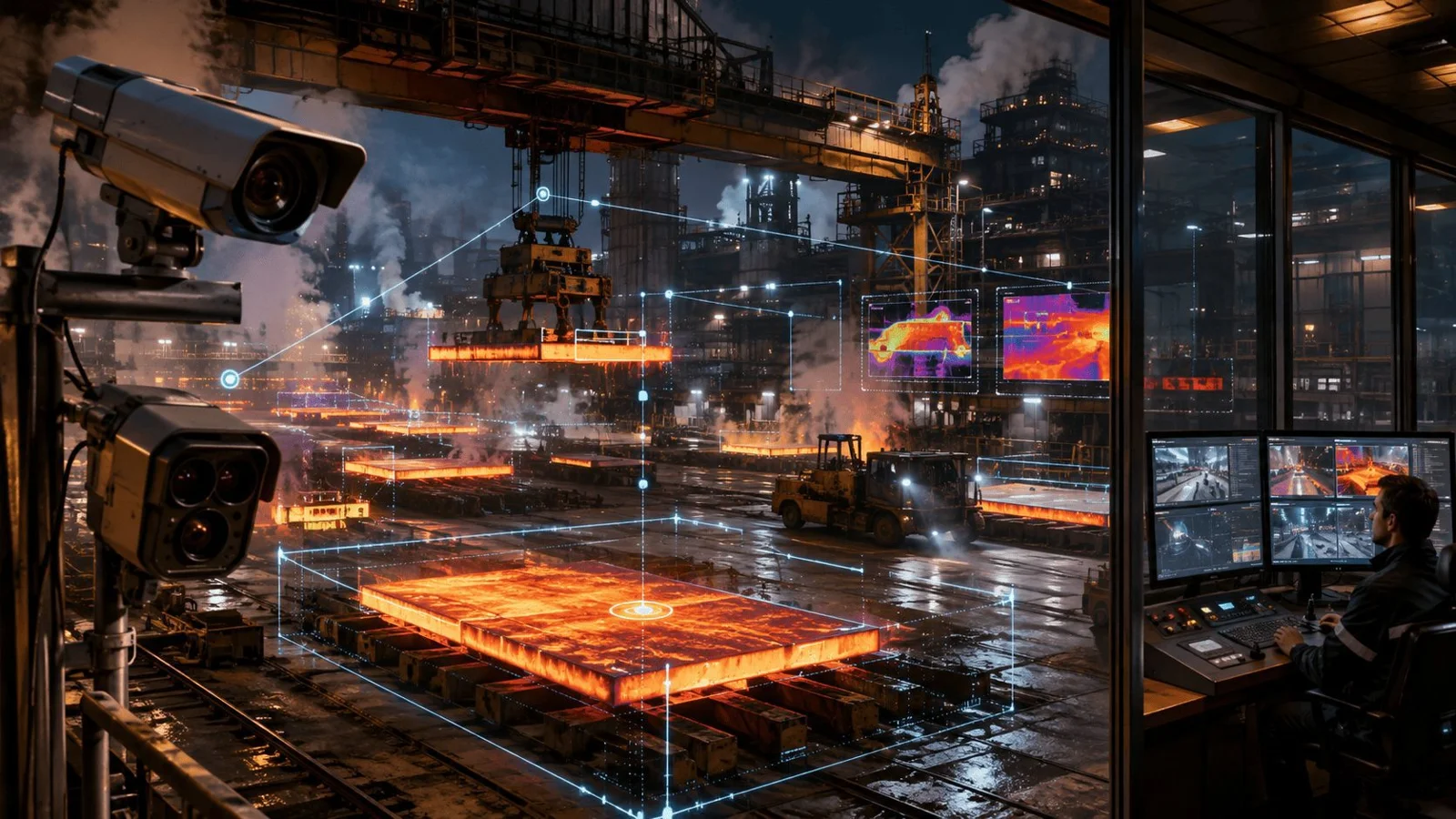
Data quality in digital transformation
Automation, artificial intelligence, analytics, and systems integration have advanced rapidly within companies. Still, many digital transformation initiatives continue to face a less visible problem: the quality of the data that alim
Read article
Soft skills in the first 30 days of engineering projects
In engineering projects, it is still common to treat soft skills as a secondary differentiator. In practice, the first 30 days show the opposite. It is during this period that it becomes clear if the professional can transform technical knowledge into contribu
Read article
Does your company face a similar challenge?
Talk to our experts about the capabilities and delivery model best suited for your project.