
Blog
Engineering 5.0: The intelligent and sustainable future of engineering
Engineering 5.0 represents the new frontier of digital and sustainable transformation. More than automation and technology, it is the union between cutting-edge innovation and human purpose. Instead of simply replacing the human being, the focus is on collaborating
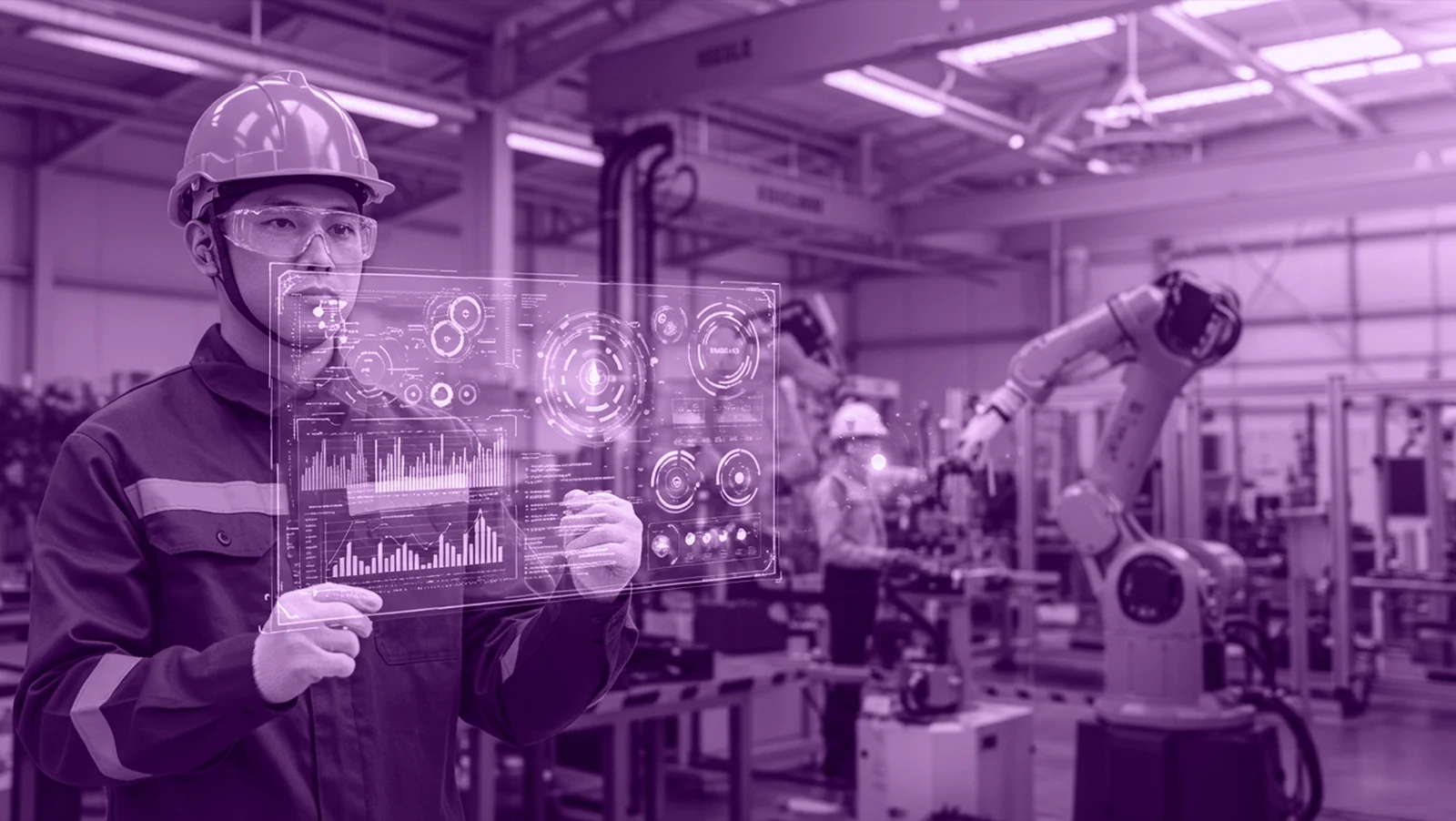
What is Engineering 5.0?
Engineering 5.0 represents the new frontier of digital and sustainable transformation. More than automation and technology, it is the union between cutting-edge innovation and human purpose. Instead of simply replacing the human being, the goal is to collaborate with them, so that technology empowers them. Furthermore, it incorporates sustainability and resilience as indispensable structural principles.
In other words , it is an evolution that connects technical advances to the human essence, transforming the way we think about and apply engineering. Therefore, the focus is not just on “doing more”, but on “doing better for everyone”.
Why is Engineering 5.0 a trend for the future?
With the advancement of Industry 4.0 , dominated by automation and artificial intelligence , there arises a need for engineering that goes beyond operational efficiency. Consequently, Engineering 5.0 emerges with a focus on four fundamental pillars:
- Humanization of production processes and the work environment;
- Integral sustainability, with attention to the product life cycle and environmental impact;
- Integration of advanced technologies, such as digital twins, collaborative robotics, IoT, and augmented reality;
- Operational resilience, with systems adaptable to external shocks and rapid changes.
Thus , it is not just a response to the technological context, but a broader proposal for conscious innovation.
Engineering 5.0 trends in Brazil and worldwide
Studies show that the concept is already evolving in global markets and has increasing applicability in Brazil. Indeed, we can highlight:
- Growth of human-centric smart factories, focusing on ergonomics and well-being.
- Use of digital twins to predict failures, optimize processes, and reduce waste.
- Application of collaborative robots (cobots) in repetitive activities, freeing humans for innovation and supervision.
- Projects with ESG-oriented design, considering environmental, social, and governance impacts.
In this way, Brazil follows a global trend, albeit with local particularities that will need to be adapted.
Challenges faced by companies seeking this evolution
Despite the opportunities, the transition to Engineering 5.0 involves significant barriers. In this regard, the following stand out:
- Scarcity of qualified talent in AI, automation, and sustainability;
- High cost of adopting new technologies;
- Cultural resistance and difficulty in changing mindset;
- Lack of processes adaptable to ESG requirements and human well-being.
Therefore, the journey requires institutional preparation, resources, and a structured change plan. Good intentions are not enough; it is necessary to act strategically and gradually.
Why invest in Engineering 5.0 now?
Adopting Engineering 5.0 is not just about following a trend, it is about taking a strategic position in the market. Consequently, companies that incorporate this approach gain competitive advantages at multiple levels:
Organizational and operational benefits
- Efficiency with intelligence: data-driven automation and AI allow real-time decisions, waste reduction, and increased productivity with fewer resources.
- Continuous innovation: by integrating emerging technologies with human processes, shorter and more adaptive innovation cycles are stimulated.
- Concrete sustainability: with reduced environmental impact, better use of materials and energy, and support for ESG governance.
- Human-centric culture: greater safety, ergonomics, participation, and purpose for the professionals involved, which increases the retention of technical talent.
In short, it is about aligning technology, business, and people in a common purpose. Therefore, investing in Engineering 5.0 means growing responsibly.
How LUZA enables this transition:
LUZA acts as a strategic partner by offering:
- On-demand technical talent, with specialized profiles in automation, AI, sustainability, digital integration, and advanced engineering;
- Complete project management, with a full-service structure, which reduces risks, accelerates deliveries, and guarantees quality with clear indicators;
- Continuous training, ensuring that professionals are up-to-date with Engineering 5.0 practices and adapted to present and future demands.
In other words, LUZA combines technical expertise with human purpose and delivers not just solutions, but real transformation.
Conclusion: Moving the world with purpose is possible
Engineering 5.0 is not just a trend, it is an inevitable path for companies that wish to move the world and transform the future with responsibility, innovation, and efficiency.
Com o apoio da LUZA, essa transição deixa de ser um desafio distante e se torna uma oportunidade concreta de crescimento sustentável e impacto real.
Continue exploring.
The new engineering of the software-defined vehicle
Automotive engineering is undergoing a change that goes beyond electrification. Increasingly connected and software-dependent vehicles are bringing together areas that, for a long time, worked more independently.
Read article
Data quality in digital transformation
Automation, artificial intelligence, analytics, and systems integration have advanced rapidly within companies. Still, many digital transformation initiatives continue to face a less visible problem: the quality of the data that alim
Read article
Soft skills in the first 30 days of engineering projects
In engineering projects, it is still common to treat soft skills as a secondary differentiator. In practice, the first 30 days show the opposite. It is during this period that it becomes clear if the professional can transform technical knowledge into contribu
Read article
Does your company face a similar challenge?
Talk to our experts about the capabilities and delivery model best suited for your project.